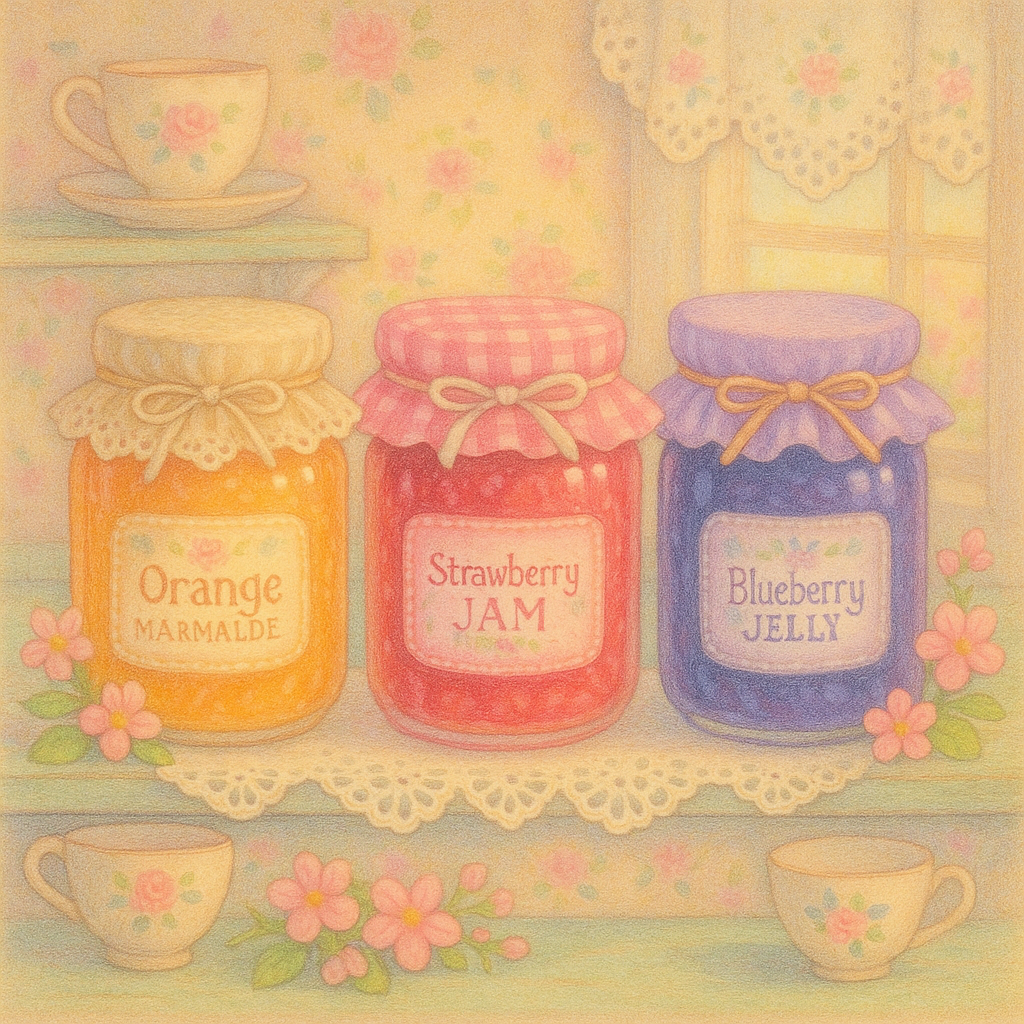
Jam, Jelly, or Marmalade? Here's How to Tell the Difference
At Sweet Spoon, we know that great baking starts with knowing your ingredients. Whether you're slathering something on warm toast or creating the perfect pastry filling, the right fruit preserve makes all the difference.
But what exactly is the difference between jam, jelly, and marmalade? Let’s break it down.
🍓 What Is Jam?
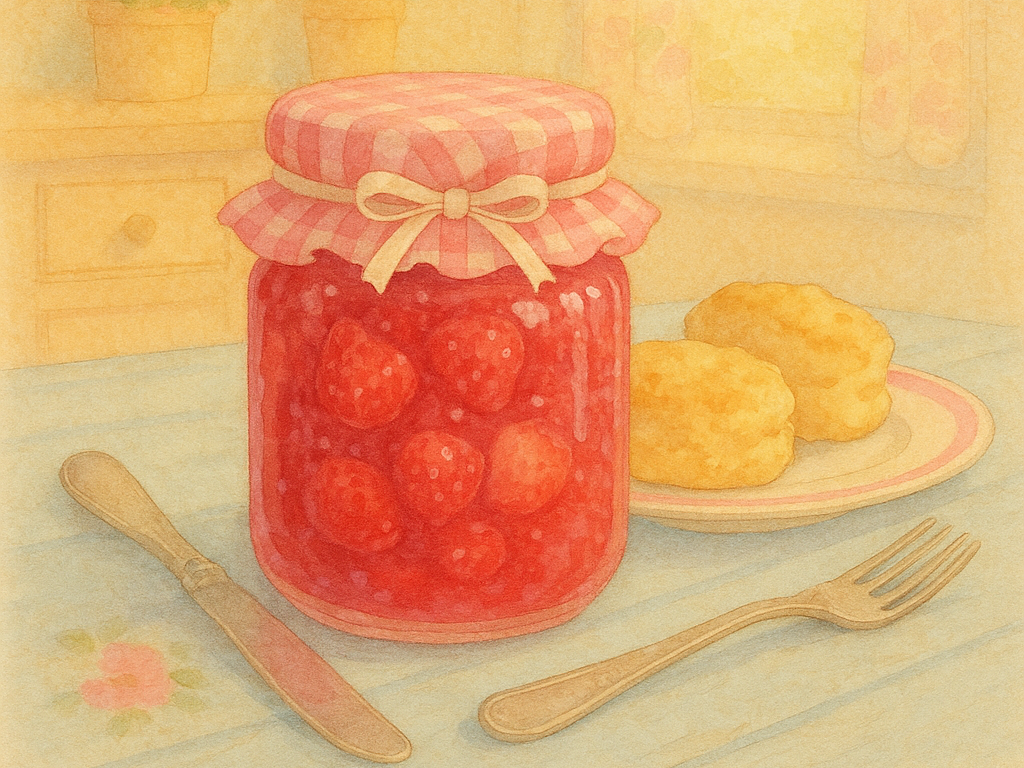
Jam is made by cooking crushed or pureed fruit with sugar and often pectin (a natural gelling agent). Unlike jelly, jam contains both the juice and the pulp, which gives it that rich, fruity flavor and soft, slightly chunky texture.
Key characteristics:
Made with crushed fruit
Contains both pulp and juice
Spreadable with bits of fruit
Common fruits used:
Strawberries
Raspberries
Blueberries
Peaches
Cooking temp: 217–222°F (103–106°C)
Best for: Spreading on toast, folding into cake layers, or mixing into yogurt.
🍇 What Is Jelly?
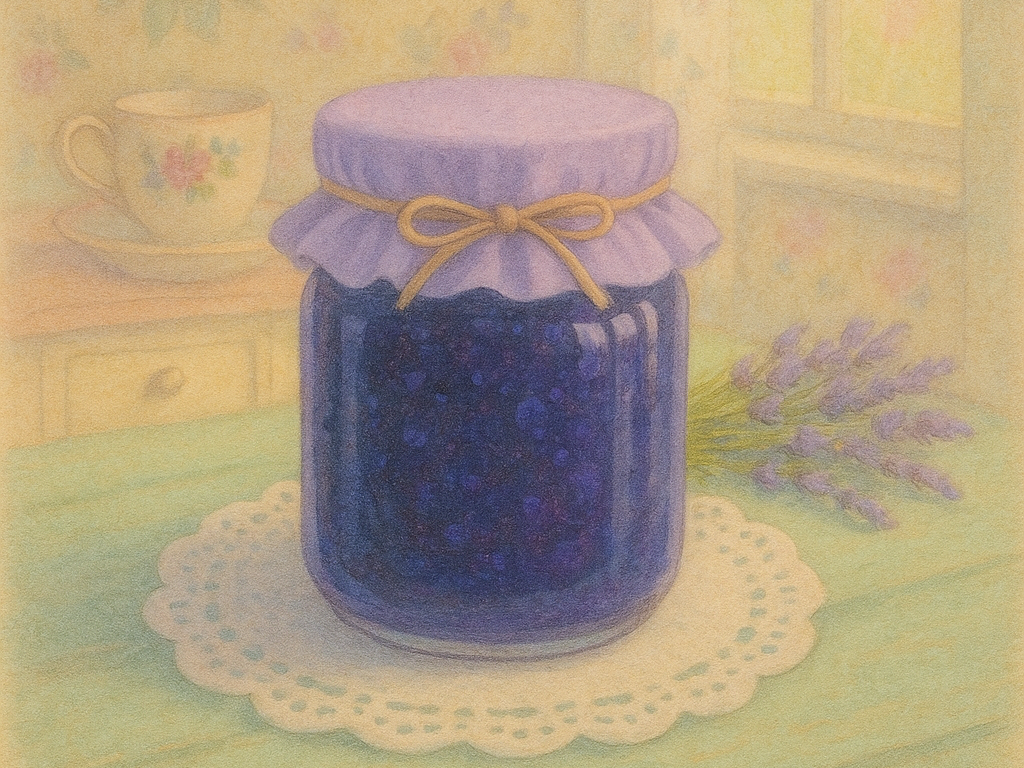
Jelly is the smoothest and most refined of the bunch. It’s made from fruit juice—no pulp, no chunks. The juice is strained (usually through cheesecloth), then cooked with sugar and pectin until it sets into a clear, firm gel.
Key characteristics:
Made from fruit juice only
No pulp or fruit pieces
Firm and glossy
Common fruits used:
Grapes
Apples
Cranberries
Cooking temp: 220°F (104°C)
Best for: PB&Js, glazing desserts, or elegant cheese boards.
🍊 What Is Marmalade?
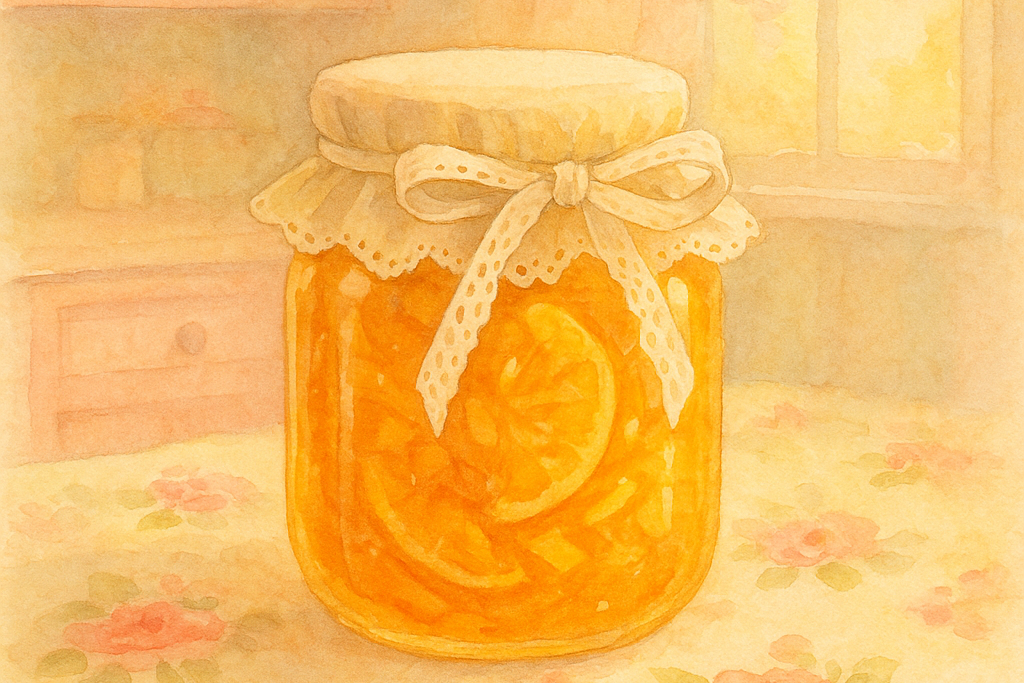
Marmalade is in a class of its own. It’s a citrus-based preserve made with both the juice and the peel. That’s where it gets its distinctive sweet, tangy, and slightly bitter flavour.
Key characteristics:
Made with citrus juice and peel
Slivers of softened peel in a gel
Slightly bitter edge
Common fruits used:
Seville oranges
Lemons
Grapefruits
Limes
Cooking temp: 217–221°F (103–105°C)
Best for: Toast, scones, or as a glaze for meats like duck, pork, or ham.